The Early Fade: Understanding and Reversing Premature Athletic Decline in Combat Sports
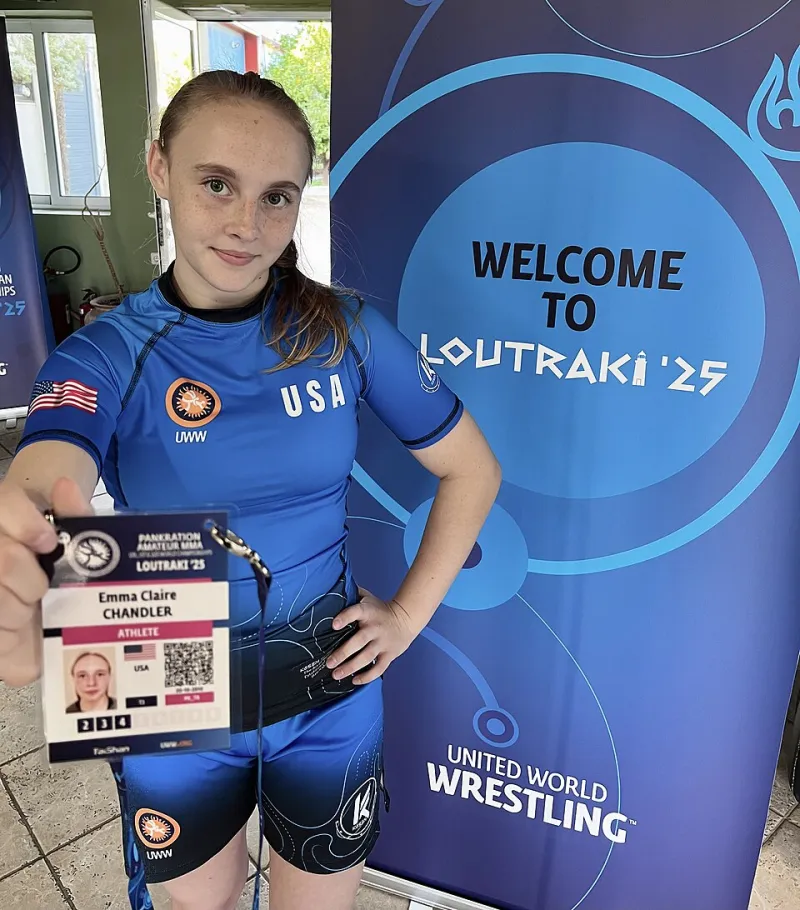
Photo: WinstonHundurjosefs, CC BY-SA 4.0, via Wikimedia Commons
The pattern is familiar to anyone who has spent years in competitive martial arts. A fighter who was technically sharp, physically dominant, and genuinely exciting to watch at 24 arrives at 29 looking somehow diminished — slower to react, quicker to fatigue, carrying a collection of nagging injuries that never fully resolve. By 31, they may have already begun framing their competitive years in the past tense.
This trajectory is so common in amateur and semi-professional combat sports that many practitioners have come to accept it as an inevitable feature of fighting. It is not. It is a predictable consequence of specific training errors — errors that are identifiable, addressable, and in most cases entirely reversible.
The late twenties to early thirties should not represent the end of a fighter's competitive prime. For athletes in many combat disciplines, the integration of physical capability and technical refinement that defines peak performance typically matures between the ages of 28 and 35. The fighters who reach that window in deteriorated condition have not aged out of relevance. They have trained themselves out of it.
Diagnosing the Problem
Premature decline in combat sports athletes rarely has a single cause. It is almost always the product of several compounding factors that accumulate over years before manifesting as a visible performance drop.
Chronic Overtraining Without Periodization
Amateur combat sports culture in the United States tends to celebrate volume. Training twice a day, competing every few weeks, treating rest as a concession to weakness — these norms are pervasive, and they are physiologically destructive over multi-year timescales.
Periodization — the systematic variation of training intensity and volume across defined cycles — is the primary mechanism through which elite athletes in virtually every sport manage long-term adaptation and recovery. It is also one of the most consistently neglected practices in amateur martial arts training.
Without periodization, the body is subjected to continuous high-intensity demand without the structured recovery phases that allow adaptation to consolidate and tissue to repair. The result is a gradual accumulation of physiological debt that is not apparent in the short term but becomes unmistakable by the late twenties, when the body's capacity to absorb training stress without explicit management begins to decline.
Inadequate Sleep and Recovery Architecture
Research in sports science has established that sleep is the most powerful recovery modality available to athletes — more effective than any supplement, ice bath, or massage protocol. Adult fighters in competitive training require between eight and nine hours of quality sleep per night for full physiological recovery. The majority of amateur competitors fall significantly short of this.
The consequences extend beyond general fatigue. Sleep deprivation accelerates cortisol accumulation, impairs growth hormone secretion, degrades motor learning consolidation, and reduces pain tolerance — all of which directly compromise both training quality and injury resilience. A fighter who trains hard but sleeps poorly is running a recovery deficit that compounds with every passing month.
The Pressure to Compete Constantly
Amateur combat sports ecosystems frequently create social and financial pressure to compete at frequencies that exceed what periodized training can support. Fighters accept bouts on short notice, compete through injuries, and return to full training within days of hard contests because the culture treats rest as an opportunity cost rather than a physiological requirement.
Each competition represents a significant systemic stress event. Cutting weight, the physical demands of the bout itself, and the neurological cost of high-stakes performance all require structured recovery time that most amateur fighters do not take. Over years, the cumulative deficit from inadequate post-competition recovery is substantial.
Structural Neglect: Joints, Connective Tissue, and Mobility
High-impact training disciplines — wrestling, boxing, Muay Thai, judo, Brazilian jiu-jitsu — place extraordinary demands on joints, tendons, and ligaments. These structures adapt more slowly than muscles and require more deliberate management to remain functional under long-term competitive load.
Fighters who neglect mobility work, skip prehabilitation exercises, and treat injury management as reactive rather than proactive accumulate structural damage that becomes increasingly difficult to reverse as they age. By the time the damage is apparent in performance metrics, it has typically been developing for years.
The Reset Framework
For fighters experiencing premature decline, recovery of competitive capacity is possible — but it requires a structured, patient approach that directly addresses the root causes rather than simply pushing harder through the deterioration.
Step One: Honest Assessment
Begin with a comprehensive physical evaluation from a sports medicine physician or physical therapist with combat sports experience. Identify all existing injuries, including those being managed through pain tolerance rather than treatment. A fighter cannot build a sustainable training architecture on a damaged foundation.
Simultaneously, conduct an honest audit of your training history. How many years have you trained without a planned off-season? How many competitions have you entered through injury? How consistently have you slept eight or more hours? The answers will clarify the nature and depth of the deficit you are addressing.
Step Two: A Structured Deload Period
For most fighters experiencing genuine accumulated overtraining, a four-to-six-week period of significantly reduced training intensity is necessary before rebuilding can begin. This is not inactivity — it is low-intensity technical work, mobility training, and aerobic conditioning at 50–60% of normal training volume.
This phase is psychologically difficult for competitive athletes. The instinct to interpret reduced training as regression is powerful and almost universally incorrect in this context. The deload period is the foundation of everything that follows.
Step Three: Implement Annual Periodization
Structure your training year into defined phases: an off-season focused on strength and structural development, a pre-competition phase emphasizing sport-specific conditioning and technical sharpening, a competition phase with managed intensity and recovery, and a post-season recovery phase of two to four weeks.
This structure allows the body to fully adapt to each training stimulus before the next is introduced, prevents the accumulation of chronic fatigue, and creates predictable windows for tissue repair. Fighters who commit to annual periodization typically report feeling physically younger at 33 than they did at 28 under unstructured training.
Step Four: Systematize Recovery
Treat recovery as a training discipline with the same structure and accountability as your technical sessions. Establish non-negotiable sleep targets. Schedule soft tissue work — foam rolling, massage, or similar modalities — into your weekly training plan. Implement a nutrition protocol that supports recovery rather than simply fueling performance.
For fighters who have competed through significant weight cuts, reassessing competitive weight class is also advisable. Chronic severe dehydration accelerates joint degeneration and cognitive wear in ways that are not immediately visible but become pronounced over a multi-year timeline.
Step Five: Compete Strategically
Reduce competition frequency to a level that allows full preparation and full recovery for each event. For most amateur fighters, three to four competitions per year is a sustainable rhythm. Competing more frequently than recovery allows does not build competitive experience — it builds accumulated damage.
The Longer Career Is the Better Career
The fighters who remain sharp, healthy, and competitive into their mid-thirties and beyond are not genetic anomalies. They are practitioners who treated their body's long-term capacity as a resource to be managed rather than a reservoir to be drained.
The competitive prime you may believe has passed is, in most cases, still ahead of you — provided you are willing to build toward it with the same discipline and intelligence you have applied to your technique. At Pratap Singh Martial Arts, we believe that a long career built on sound principles will always outperform a brief one built on raw intensity alone.
Train hard. Train smart. Train for the years you have not yet reached.